
Supplements: Hype or Help for Healthy Lifestyle?
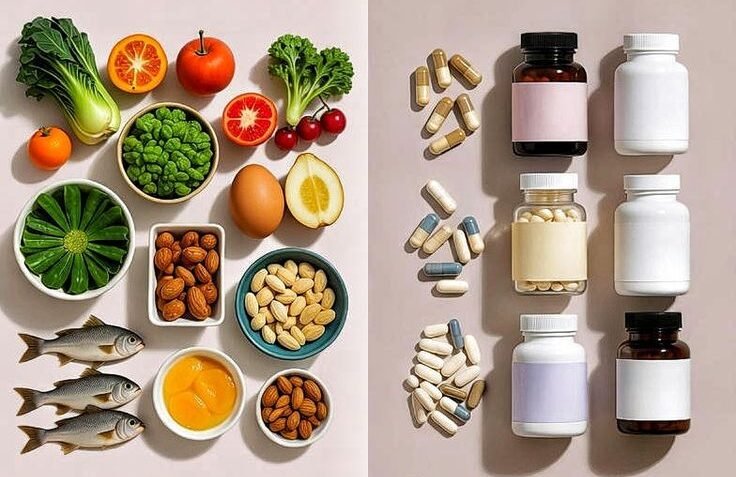
In today’s health-conscious world, vitamin and mineral supplements have become increasingly popular. Many people take them to boost immunity, improve energy levels, or fill potential nutrient gaps in their diets. But an important question remains: are vitamin supplements truly necessary for healthy individuals?
According to guidance from the American Heart Association, dietary supplements can play a role in supporting nutrition—but they should never replace a healthy and balanced diet.
Understanding when supplements are helpful, and when they may not be necessary, can help consumers make more informed decisions about their health.
Why Whole Foods Still Matter Most
Nutrition experts widely promote a “food-first” approach to meeting nutritional needs. Whole foods such as fruits, vegetables, whole grains, nuts, legumes, and lean proteins provide a complex combination of nutrients that supplements alone cannot replicate.
These foods contain essential vitamins and minerals, but they also include dietary fiber, antioxidants, and phytonutrients that work together to support overall health. Scientists believe these compounds interact in ways that provide benefits beyond what isolated nutrients can offer.
For example, vegetables and fruits contain hundreds of naturally occurring compounds that may support heart health, immunity, and metabolic function. A supplement containing only one or two vitamins simply cannot reproduce the same nutritional synergy.
For this reason, health organizations consistently recommend a balanced, nutrient-rich diet as the primary source of vitamins and minerals.
When Supplements Can Be Helpful
Although whole foods are the ideal source of nutrients, supplements can be useful in certain situations.
The American Heart Association notes that dietary supplements may help individuals meet their nutrient requirements when obtaining enough nutrients from food alone is difficult.
Some examples include:
- Pregnant women, who may require additional nutrients such as folic acid
- Individuals with diagnosed nutrient deficiencies
- Older adults, whose nutrient absorption may decline with age
- People with restrictive diets, such as vegan or medically prescribed diets
In these situations, supplements can help bridge nutritional gaps and support overall health. However, they should ideally be used under the guidance of healthcare professionals.
Why Taking More Vitamins Isn’t Always Better
Another common misconception is that taking higher doses of vitamins will automatically improve health. In reality, more is not always better.
Most multivitamins already provide close to 100% of the recommended daily intake for many essential nutrients. Taking excessive amounts may not provide additional benefits and, in some cases, may even cause unwanted effects.
For this reason, experts recommend selecting supplements carefully and avoiding megadoses unless advised by a healthcare professional.
The Bottom Line
Vitamin and mineral supplements can be useful tools for supporting nutrition, particularly when dietary intake is insufficient or specific life stages increase nutrient needs.
However, supplements should be viewed as nutritional support—not substitutes for healthy eating.
The best strategy for long-term wellness remains simple:
- Prioritize whole, nutrient-dense foods
- Maintain a balanced and varied diet
- Use supplements responsibly when needed
By combining healthy eating habits with informed supplement choices, individuals can better support their overall health and wellbeing.
References
- American Heart Association. Vitamin Supplements: Hype or Help for Healthy Eating?
https://www.heart.org/en/healthy-living/healthy-eating/eat-smart/nutrition-basics/vitamin-supplements-hype-or-help-for-healthy-eating - U.S. Department of Agriculture & U.S. Department of Health and Human Services. Dietary Guidelines for Americans 2020–2025.